
As we move deeper into the digital age, 2026 is shaping up to be a breakout year for transformative technologies. From AI that takes action on our behalf to real-time health insights and smarter collaboration tools, the innovations emerging in the months ahead will likely define how the enterprises of tomorrow operate.
Here are seven tech innovations to watch in 2026—along with the companies that are helping push these trends forward.
1. Autonomous AI Workflows
Artificial intelligence is evolving past simple pattern recognition and suggestions into autonomous execution. Instead of just providing information, AI will increasingly act on our behalf across workflows. This means tasks like outreach, analytics, and scheduling can be orchestrated end-to-end with minimal human input.
MyUser is at the forefront of this trend in the sales domain, using AI to automate outreach campaigns from research to messaging and meeting booking.
Meanwhile, Ness.AI—part of Ness Digital Engineering’s innovation ecosystem—is expecting to have a big impact on the AI industry in 2026.
2. Conversational and Context-Aware AI
In 2026, conversational AI will become far more context smart and emotionally intelligent, enhancing user interactions across both customer and personal applications.
Buddy.AI represents the next generation of conversational systems—intelligent digital companions capable of understanding context over time, responding with nuance, and offering tailored support.
As AI companions become integrated into everyday apps and services, they will redefine how humans communicate with technology, making interactions feel more intuitive and personalized.

3. Integrated Health Data Intelligence
Healthcare is being transformed by platforms that unify data from clinics, wearables, labs, and patient records into a single, actionable view. As care models shift toward prevention and personalized care, real-time access to integrated health data becomes critical.
360 Health Data is a prime example of this innovation in action. By consolidating diverse health inputs into one platform, healthcare providers and patients alike gain deeper insights into wellness trends, risk factors, and treatment outcomes—all while preserving privacy and compliance.
In 2026, health-data ecosystems like this will enable smarter, more proactive care delivery.
4. Real-Time Communication Everywhere
The future of digital interaction lies in real-time connectivity built directly into applications—no matter the platform or device. This goes beyond video calls into live chat, instant notifications, collaborative spaces, and hybrid event experiences.
QuickBlox provides robust tools and APIs that make real-time messaging, voice, and video seamless for developers. In 2026, real-time communication infrastructures like QuickBlox’s will empower businesses to add synchronous engagement features to apps quickly, enhancing user experience in everything from telehealth to gaming.
5. AI-Powered Planning for a Sustainable Future
Project planning and resource optimization are historically labor-intensive, but smarter platforms are changing that. Complex systems—especially those tied to sustainability and energy—need dynamic tools that help plan, simulate, and optimize in real time.
Planno.io, a solar tech platform based in Dubai, is innovating in this space by helping organizations design better helps solar companies identifying and pre-qualifying commercial and industrial rooftop opportunities faster, easier, and at scale.. As clean energy adoption accelerates, platforms like Planno.io will be key to the deployment of sustainable infrastructure.
6. Immersive Digital Engagement
As digital experiences become richer, users expect more engaging and interactive content across business presentations, training, and storytelling.
Prezent is unlocking productivity with business communication AI in ways never before seen. In a world where remote and hybrid engagement are the norm, these platforms are integral to capturing attention, enhancing comprehension, and improving collaboration.

7. Edge Intelligence and Distributed Computing
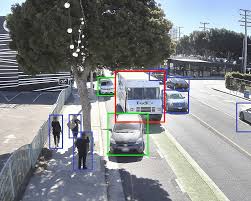
While cloud computing remains vital, 2026 will see a bigger shift toward edge computing—where data processing happens closer to where it’s generated. This reduces latency, enhances privacy, and enables faster, more reliable decision-making for everything from industrial robotics to autonomous vehicles.
Edge intelligence paired with AI algorithms will help devices act on data locally, unlocking new capabilities in real-time systems like smart cities, IoT ecosystems, and connected health devices.